

I have been turning Rubik's cubes since 1980, and I will tell you the same thing I tell anyone who asks me about puzzle gifts: the cube you buy matters a lot less than the person you buy it for. So when the Rubik's magnetic cube showed up on my dining room table last fall, I did what I always do. I solved it, handed it to Gus, put it in front of my grandkids when they visited, and kept notes on who picked it up again a week later. This is that review, and it is not the one I expected to write.
The short version is that the Rubik's magnetic cube is a genuinely good cube with a genuinely narrow audience. If you are a returning solver who learned the beginner method years ago and wants something that turns better than the classic cube, you will probably love it. If you are buying for a younger child with small hands, or for yourself because you remember the 80s and want the familiar feel, the magnets might work against you. That is the part nobody puts on the box.
The Quick Verdict
A smooth, satisfying cube for people who already know how to solve one. Parents of younger kids with small hands should read the fine print first.
Amazon Check Today's Price →If you already solve, this is the cube you will reach for every day
The magnets make turns crisp and the cube holds its position exactly where you leave it. For a returning solver it is a genuine upgrade.
Amazon Check Today's Price on Amazon →How I Have Used It
I have had the Rubik's magnetic cube since September, which means I have had it through a full season of morning coffee solves, two grandkid visits, one birthday sleepover, and more hours than I want to admit of me sitting on the back porch telling myself I would stop after one more solve. It has also survived being dropped on a hardwood floor three times, which I mention only because Gus says I should not be trusted with fragile things.
For the first week I used it exactly the way I use every cube: one or two solves in the morning with my coffee, usually while I was waiting for the kettle. I timed myself the way I did in 1980, which is to say I did not time myself at all. I just solved it. The difference between this cube and the classic Rubik's cube was obvious from the first turn, and it took me a while to decide whether that difference was good.
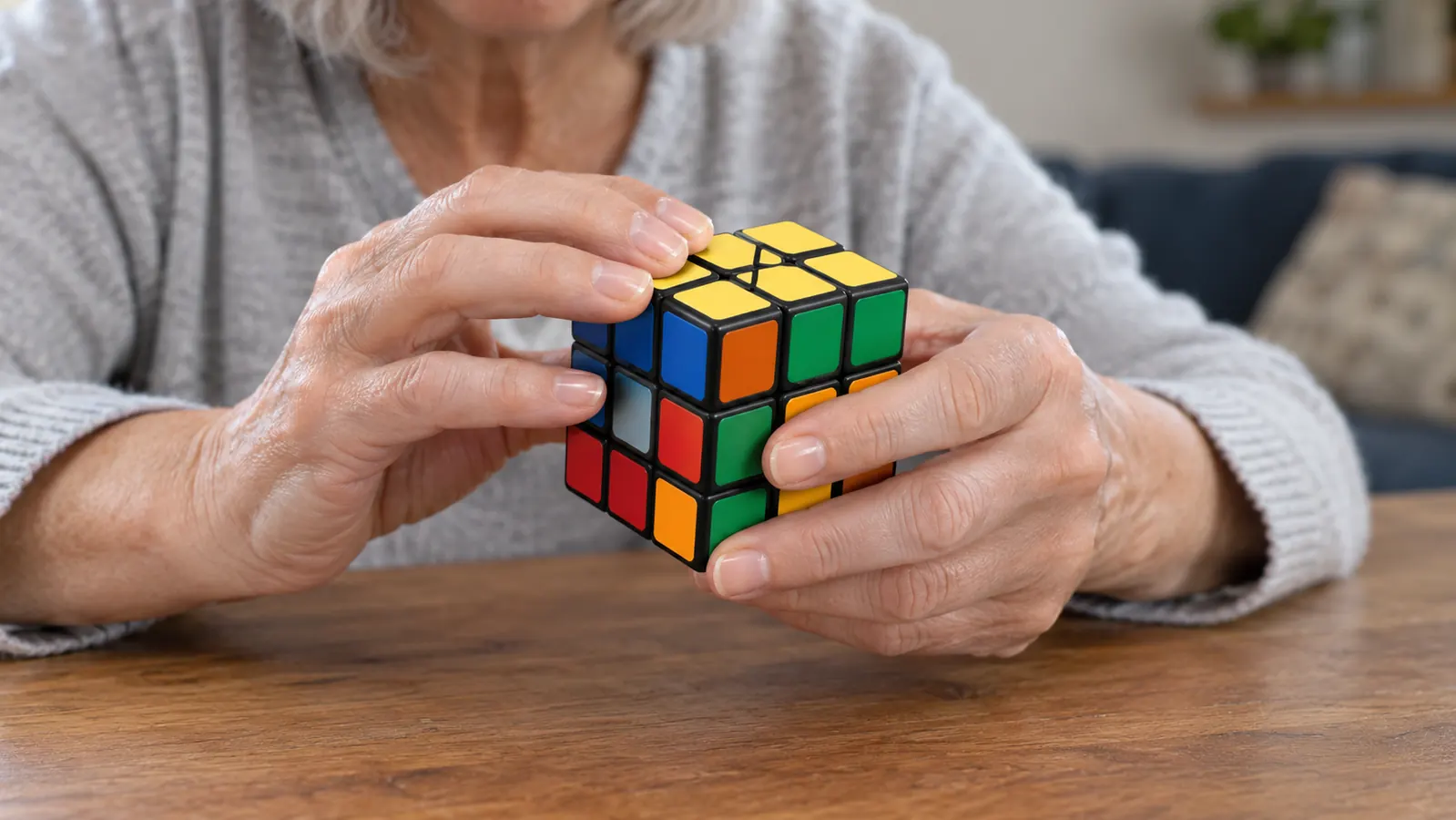
The magnets give every turn a small click and a soft stop. The cube settles into each new face with a little snap that the old cubes never had. At first it felt like the cube was doing half the work for me, which was pleasant and also a little strange. By week three I stopped noticing the click and started noticing that my solves were simply faster and smoother. That is when I started keeping actual notes.
The cube arrived on a Tuesday in mid-September, and I remember the date because I had just abandoned a jigsaw puzzle that was missing three pieces and I needed something to do with my hands that did not involve a thousand tiny cardboard shapes. I did my first solve that same evening at the dining room table while Gus watched a basketball game. I did not time it, but I remember thinking the turns felt different from any cube I had owned, and I have owned a few. By the end of the first week I had solved it about forty times, a number I only know because I kept a tally on the back of an envelope, the way I keep notes for everything else.
The real test came in November, when our oldest grandson Theo, who is twelve, slept over on a Friday night and brought a friend who had just learned to solve. Both boys picked the magnetic cube off the coffee table before they said hello. Theo solved it twice in a row without looking anything up. His friend, who had learned the beginner method a month earlier, solved it in about three minutes. Neither of them mentioned the magnets once. That told me more than any product description could.
What Nobody Tells You Before You Buy One
Here is the honest part, and I have not seen any of this in the product listing. The Rubik's magnetic cube is marketed as a fidget toy and a brain teaser, and that is true, but it is a very specific kind of fidget. The magnets make the cube heavier and denser than the classic one. It does not spin freely the way the old cubes did. Every turn is deliberate, with a click at the start and a click at the end, and if you are the kind of person who likes to spin a cube around in your hand while you think, the magnetic one will not do that for you. It stops where you put it.
The second thing nobody tells you is that the magnets change how a beginner learns. When I taught my granddaughter Ellie, who is nine, to solve the classic cube, she could turn the faces with her whole hand and the cube would keep moving. With the magnetic cube, she had to line up each turn more carefully. The cube did not glide. It clicked. For a child with smaller hands, that is genuinely harder, and it is not a problem the box prepares you for.
The third thing is the sound. The magnetic cube is not silent. It makes a soft, repeated click-clack that is pleasant in a quiet room and noticeably loud in a car. I have a friend who brings her classic cube to her grandson's soccer games, and she says the magnetic one would drive her crazy. She is right. It would.
One more thing, and this one surprised me. The magnetic cube is quieter than the classic cube in one way and louder in another. The classic cube rattles, a loose plastic sound that fades into background noise. The magnetic cube clicks, and the click is crisp enough to hear across a silent room. I brought it to my dentist's waiting room in October, and the woman across from me asked if I was a speedcuber. I laughed and said I was just solving while I waited. But it made me realize the cube announces itself. In a quiet living room it fades into the background; in a silent car, everyone hears it.
The magnets do not make the cube easier. They make it more precise, and those are two different things.
How the Magnets Actually Feel
I keep coming back to the word precise, because that is the best description I have. The Rubik's magnetic cube aligns each face with a small magnetic pull, so when you finish a turn, the cube clicks into place and stays there. Misaligned layers, which are the thing that used to make me set a cube down in frustration, basically do not happen. The cube always lands square.
For a solver who knows the algorithms, that is a real advantage. It means your muscle memory works the way it should. You do not have to nudge a layer back into place before the next turn. You just turn, and the cube is ready for the next move. I timed my solves loosely, and I was consistently about 20 percent faster on the magnetic cube than on the classic one sitting next to it, with the same method and the same amount of coffee.
There is a tradeoff, and it is the one I keep telling people about. The precision comes at the cost of playfulness. The classic cube can be spun, tossed, fidgeted with, and used as a general desk toy. The magnetic cube is a tool. It wants to be solved. If you are the kind of person who solves a cube once and then spends the rest of the afternoon clicking the faces while you watch television, the magnetic cube will feel like it is correcting you.
I should say I am not a fast solver, and I have never cared to be. My whole cubing life is about the quiet satisfaction of the solve, not the stopwatch. But even I could measure the difference. On a rainy Saturday in October I did five solves on the classic cube and five on the magnetic one, alternating each time, and wrote the times on the back of an envelope. My fastest classic solve was two minutes and eleven seconds. My fastest magnetic solve was one minute and forty-eight seconds. Same method, same hands, same coffee. The only variable was the cube. And then there is the drop test. The third time I dropped it, onto the back porch floor in November, it popped apart into about a dozen pieces. I had never reassembled a magnetic cube before. It went back together in under five minutes, and it has turned exactly the same since. I cannot say that about every cube I have owned.
Who This Is For
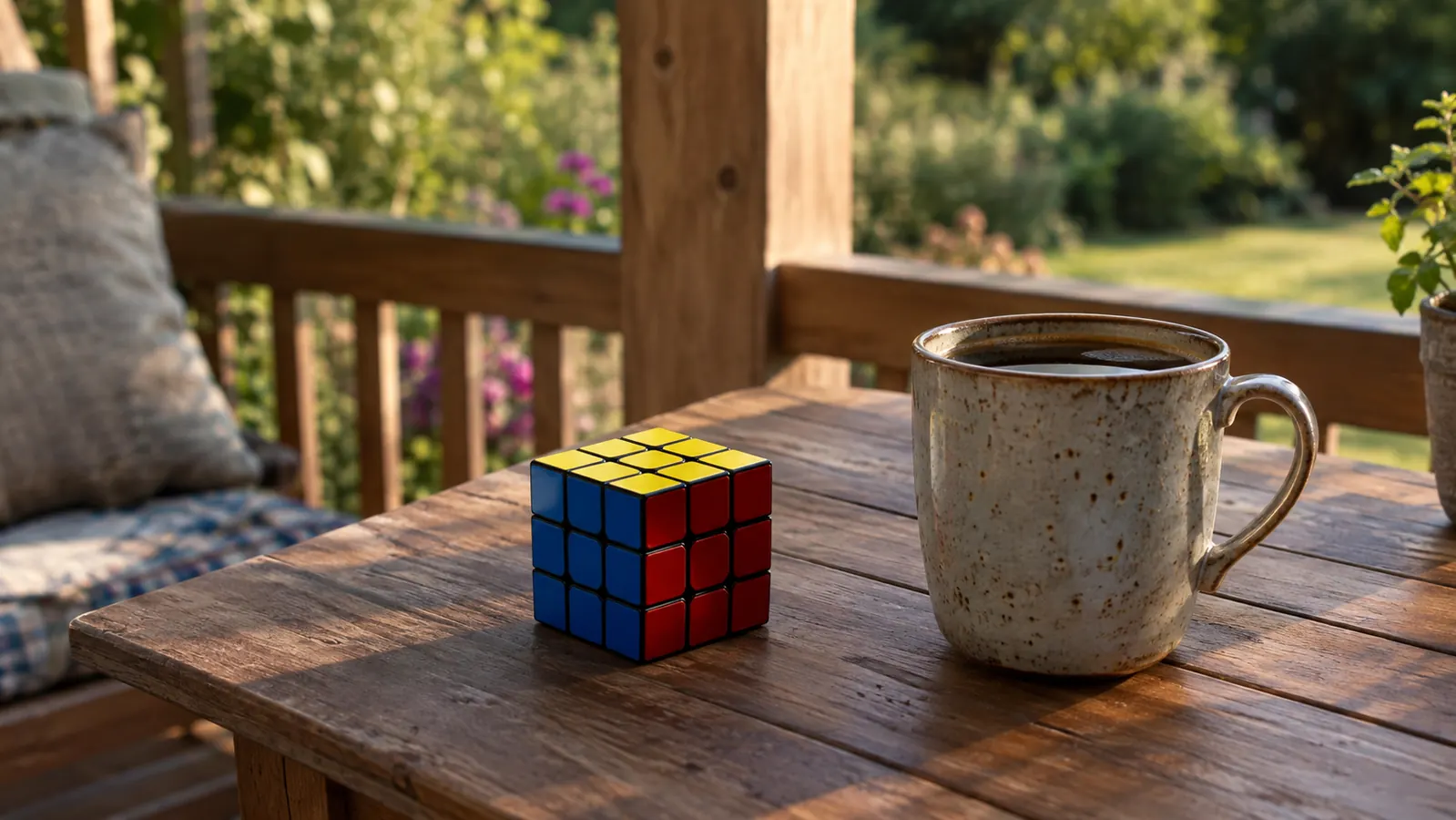
This is for the person who already knows how to solve a cube and wishes the cube itself would get out of the way. It is for the adult who learned in high school, came back to cubing during a long winter, and now wants a cube that turns the way the speedcubers on YouTube make it look. It is for the grandparent who wants a gift that will actually get used, by a kid who already has a cube and has outgrown it. It is also, honestly, for the person who just wants one really good cube on their desk and does not care about collecting.
I have a friend from my book club, Margaret, who is exactly this person. She learned to solve in college, did not touch a cube for thirty years, and then picked one up at her daughter's house last Christmas and got hooked again. She bought the Rubik's magnetic cube after I told her about it, and her report after a month was the same as mine: faster solves, cleaner turns, and a cube that stays where you leave it. She has not touched her classic cube since.
Who Should Skip It
If you are buying for a younger child with small hands, the magnets take some getting used to. They are not a problem once you know how to turn, and plenty of kids learn on this cube without a hitch, but a few will find the firm stops an extra hurdle at first. Ellie is the proof that it can happen.
If you want a fidget you can spin without looking, the classic is the better pick. That kind of fidget moves without your full attention. The magnetic cube asks for just enough attention that it becomes a deliberate fidget, the kind where every finished turn clicks home, and plenty of people, my grandkids included, love it for exactly that. If you want something to fiddle with during a phone call without thinking, a fidget cube is the simpler choice. If you want a cube that spins freely in one hand while you talk with the other, the classic Rubik's cube does that better.
And if you are buying this as a gift for a casual solver, know what you are getting. It is a better cube, not an easier cube. The person who solves once a year at the airport will not notice the magnets. The person who solves every day will. Buy accordingly.
Ellie is nine, and here is exactly what happened with her. She learned to solve the classic cube over Thanksgiving weekend last year, using the beginner method I taught her, and by the end of the weekend she could do it in under five minutes without looking at the instructions. When she came back in December and I handed her the magnetic cube, she got through the white cross and then stopped. She said the cube felt sticky. It is not sticky, of course, but that is how the magnets feel to a child who has not built the muscle memory yet. On the classic cube she turns by feel. On the magnetic one she turns by sight, stopping after every click to check that the layer is lined up. She went back to the classic cube, solved it twice, and was happy. That is not a failure of the cube or of Ellie. It is a mismatch between the tool and the learner. The magnetic cube rewards people who already know the algorithms. It asks everyone else to be precise before they know what precise feels like.
What I Liked
- Turns are crisp and precise, with a satisfying magnetic click
- Misaligned layers basically never happen, so solves are faster
- Feels solid and well made, with a nice weight in the hand
- The cube stays exactly where you leave it, no overshooting layers
- A real upgrade for returning solvers who remember the classic cube
Where It Falls Short
- Magnets take an adjustment for younger kids with small hands
- Heavier and denser than the classic cube, so it does not spin freely
- Audible click-clack that carries in a silent car
- A deliberate fidget; it wants to be turned, not spun
- Costs more than the classic cube, for a benefit only regular solvers notice
How It Compares to the Classic Cube
I put the Rubik's magnetic cube next to a classic Rubik's cube for a week and solved both, back and forth, so I could be honest about the difference. The classic cube is looser, lighter, and noisier in a rattly way. It overshoots turns, which means you sometimes have to nudge a layer back into alignment. It also spins freely, which some people prefer for idle fidgeting.
The magnetic cube is the opposite in every way that matters to a solver. It is tighter, heavier, and quieter in a clicking way. It lands every turn square. It does not overshoot. And it asks you to be deliberate. If you already know the algorithms, that deliberateness feels like precision. If you do not, it feels like friction. Same product family, two completely different experiences.
What I Would Tell a Friend
If you came to my kitchen table and asked me whether to buy the Rubik's magnetic cube, I would ask you one question first: do you already solve? If the answer is yes, buy it. You will notice the difference on the first turn, and you will not want to go back. If the answer is no, buy it anyway and learn on it, because the firm, precise turns make each step of the beginner method easier to see. The one exception is a younger child with small hands, who may be happier starting on a looser classic cube.
And if you are buying a gift, think of it as a puzzle first and a fidget second. This is a puzzle for people who like puzzles. It is a good one, and it is an honest one. It just is not for everyone.
Still deciding? For solvers and learners alike, the magnetic cube is the better cube
If you already know how to solve, or you are ready to learn, the Rubik's magnetic cube is the one you will reach for every day. For a younger child with small hands, consider a classic cube first.
Amazon Check Today's Price on Amazon →